Understanding UK Food Supplement Regulations
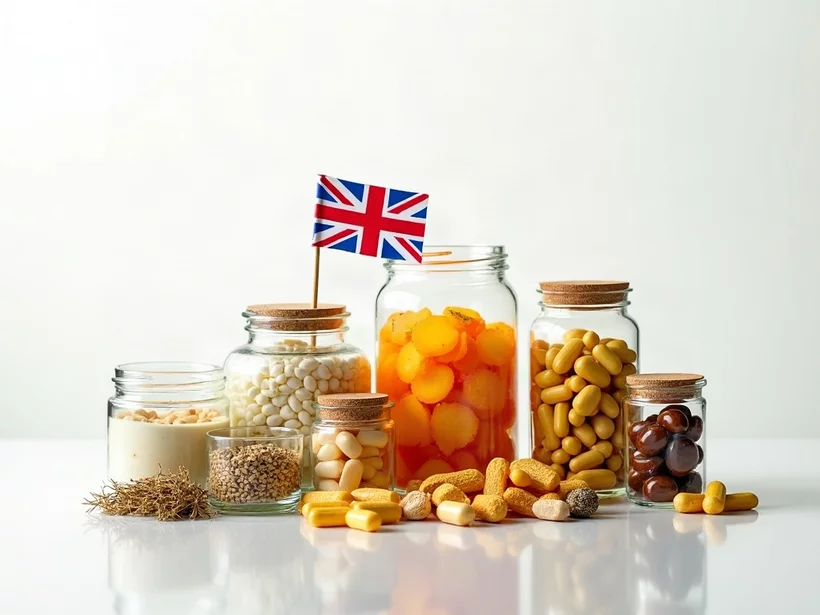
Did you know that understanding the regulations surrounding food supplements in the UK can be the defining factor for success in the health supplement industry? This knowledge not only helps you avoid legal pitfalls but also builds consumer trust in your brand. Let’s explore the essential insights that can guide your journey in this competitive market.
What You Will Learn
- A food supplement is defined as a product that supplements the diet, containing vitamins, minerals, or herbs, and cannot claim to treat or prevent diseases.
- Understanding the distinction between food supplements and fortified foods is crucial for compliance and marketing strategies.
- The Food Standards Agency (FSA) regulates food safety and quality, providing essential guidance on labeling and marketing practices.
- Familiarity with the Food Supplements Regulations 2003 ensures compliance with UK and EU laws affecting food supplements.
- Compliance involves registering your business, accurate labeling, following health claim guidelines, and adhering to good manufacturing practices (GMP).
- Quality control measures and regular safety assessments are essential for maintaining product safety and building brand trust.
- Engaging with resources from organizations like the FSA and EFSA can provide ongoing support and clarity in navigating food supplement regulations.
Regulatory Framework and Compliance Steps for Food Supplements
Understanding the key regulations and compliance steps surrounding food supplements can streamline your business operations. Below is a structured visual representation of essential regulatory bodies and compliance practices. For those looking to boost their profits, insights from boosting profits with dropship supplements can be particularly beneficial.

Food Standards Agency (FSA)
Ensures food supplements meet safety and quality standards. Provides guidance on labeling and marketing practices.
Department for Environment, Food & Rural Affairs (DEFRA)
Oversees agricultural products ensuring safety and quality of ingredients sourced for supplements.
European Food Safety Authority (EFSA)
Provides scientific advice on food safety issues and principles for health claims in marketing.
Key Compliance Steps
- Register your business with local authorities.
- Ensure accurate labeling and packaging of products.
- Follow guidelines for health claims and marketing.
- Adhere to good manufacturing practices (GMP).
Understanding UK Food Supplement Regulations: A Comprehensive Overview
As an entrepreneur in the health supplement industry, understanding the regulations surrounding food supplements in the UK is essential. Knowing what constitutes a food supplement and how it differs from other products can make or break your business. Let's dive into the key aspects that define food supplements and the legal framework that governs them!
What Constitutes a Food Supplement in the UK?
Defining food supplements and their legal classification
A food supplement, as defined by UK legislation, is a product intended to supplement the diet and contains one or more of the following: vitamins, minerals, herbs, amino acids, or other substances. These products are usually available in various forms, such as capsules, tablets, powders, or liquids. It's important to note that food supplements cannot claim to treat, prevent, or cure diseases as that would classify them as medicinal products.
Understanding this classification helps ensure that your products are marketed correctly. Mislabeling a supplement as a medicinal product can lead to serious legal consequences, so always stay informed about these definitions!
Differences between food supplements and fortified foods
While both food supplements and fortified foods provide additional nutrients, they serve different purposes. Fortified foods are typically whole foods that have added nutrients, such as vitamins or minerals, to enhance their nutritional value. In contrast, food supplements are specifically designed to address nutrient gaps in your diet. This distinction is vital for compliance and marketing strategies.
- Food supplements are concentrated sources of nutrients.
- Fortified foods are enhanced whole foods intended for general consumption.
- Regulatory requirements differ significantly for each category.
Knowing these differences allows you to better position your product in the market and set the right expectations for your customers.
Regulatory Bodies Governing Food Supplements
The role of the Food Standards Agency (FSA)
The Food Standards Agency (FSA) is the primary regulatory body overseeing food safety and hygiene in the UK. Their role includes ensuring that food supplements meet safety and quality standards. They also provide guidance on labeling and marketing practices, which are crucial for compliance.
Engaging with the FSA can help clarify any uncertainties regarding your product’s classification and labeling requirements. They are a valuable resource that can help you navigate the complex landscape of food supplement regulations!
Overview of UK and EU regulations affecting food supplements
The UK food supplement regulations are deeply intertwined with EU laws, even post-Brexit. The Food Supplements Regulations 2003 outline essential guidelines regarding composition, labeling, and safety. Understanding these regulations ensures that you comply with both UK standards and any relevant EU legislation if you plan to sell your products abroad.
- Food supplements must not contain substances banned by the FSA.
- Labeling must include specific information about ingredients and health claims.
- Regular updates and changes in legislation require ongoing attention.
Keeping abreast of these rules will help you avoid costly mistakes and ensure your products remain compliant.
Involvement of the Department for Environment, Food & Rural Affairs (DEFRA)
The Department for Environment, Food & Rural Affairs (DEFRA) plays a crucial role in overseeing agricultural products, including those that enter the food supplement market. Their involvement ensures that all ingredients sourced for supplements meet the desired safety and quality standards. This is especially important if you are sourcing ingredients from local farms or suppliers in the UK.
Being aware of DEFRA’s guidelines can give you confidence that your supply chain is compliant, which ultimately builds trust with your customers. Additionally, exploring aspects of herbal supplements with dropship hosting may align well with your product offerings.
Understanding the role of the European Food Safety Authority (EFSA)
The European Food Safety Authority (EFSA) provides scientific advice and communicates on existing and emerging food safety issues. Although the UK has transitioned out of direct EU governance, EFSA’s guidelines still influence many practices in the industry. They set out the scientific principles for health claims, which are essential for marketing your food supplements.
By aligning your claims with EFSA standards, you can enhance the credibility of your products in a competitive market.
Interactive Poll: Your Insight Matters!
As you navigate the food supplement landscape, we want to hear from you! What do you consider the most challenging aspect of ensuring compliance in your business?
Summary of Key Regulations and Best Practices
Understanding the landscape of regulations surrounding food supplements is crucial for anyone looking to enter this growing market. At Dropship Web Hosting, we emphasize the importance of compliance to ensure not just legal operation, but also consumer trust in the brands you represent. Here's a recap of the essential compliance steps that we’ve discussed:
- Register your business with local authorities.
- Ensure accurate labeling and packaging of your products.
- Follow specific guidelines for health claims and marketing.
- Adhere to good manufacturing practices (GMP) in your operations.
These steps are not merely bureaucratic hurdles; they lay the groundwork for a successful food supplement business. By adhering to these regulations, you are not only protecting your business but also providing peace of mind to your customers as they choose products under your brand.
Final Tips for Ensuring Your Food Supplement Business is Legally Compliant
As you navigate the complexities of compliance, here are my final tips to help you set your business on the path to success:
- Implement Quality Control Measures: Regularly assess the quality of your products to ensure that they meet safety standards.
- Conduct Safety Assessments: Prioritize safety assessments to prevent any potential health risks associated with your supplements.
- Stay Updated on Regulations: Regulations can change, so keep abreast of any updates or new guidelines from governing bodies.
Quality control and safety assessments are essential practices that can enhance the reputation of your brand. Remember, consumers are more likely to trust a brand that actively demonstrates commitment to their health and safety.
Taking Action: Your Next Steps in the Food Supplement Market
As you embark on your journey in the food supplement market, taking decisive action is key. You’ve laid a solid foundation by understanding the regulations, and now it’s time to put that knowledge into practice.
Resources for Further Guidance

To further assist you, I recommend utilizing available resources tailored for food supplement businesses. Here are a few valuable references:
- The Food Standards Agency (FSA) website for regulatory updates.
- Guidance documents from the European Food Safety Authority (EFSA).
- Industry reports and insights from the British Dietetic Association (BDA).
These resources can provide guidance and clarity as you navigate your business operations. They are invaluable tools to keep you informed of best practices and compliance requirements.
Encouragement to Start Your Compliance Journey Today
It's easy to feel overwhelmed when starting a new venture in the food supplement industry. However, I encourage you to take the first step today! Engaging with organizations like the British Dietetic Association (BDA) can provide support and community connections that are beneficial as you build your brand.
Remember, every successful business starts with a commitment to compliance and quality. If you have questions along the way, we at Dropship Web Hosting are here to support you on your journey towards establishing a thriving food supplement business! Let’s make your vision a reality together!
Recap of Key Points
Here is a quick recap of the important points discussed in the article:
- Understand the legal definition of food supplements to avoid misclassification.
- Differentiate between food supplements and fortified foods for correct marketing.
- Engage with the Food Standards Agency (FSA) for guidance on compliance and labeling.
- Stay informed about the Food Supplements Regulations 2003 and any updates.
- Implement quality control measures and conduct regular safety assessments.
Frequently Asked Questions (FAQs)
- What is a food supplement? A food supplement is a product intended to supplement the diet, containing vitamins, minerals, herbs, or other substances, and cannot claim to treat or prevent diseases.
- What is the role of the Food Standards Agency? The Food Standards Agency (FSA) oversees food safety and hygiene in the UK, ensuring that food supplements meet safety and quality standards and providing guidance on labeling and marketing practices.
- What are the key compliance steps for food supplement businesses? Key compliance steps include registering your business, ensuring accurate labeling, following health claim guidelines, and adhering to good manufacturing practices (GMP).
- How do food supplements differ from fortified foods? Food supplements are concentrated sources of nutrients, while fortified foods are whole foods with added nutrients to enhance their nutritional value.
- Why is it important to understand UK and EU regulations? Understanding these regulations ensures compliance with safety, labeling, and health claims, avoiding legal issues and building consumer trust.