Print on Demand Dropshipping Guide
What if you could launch your own supplement brand without the burden of managing inventory? Dropshipping could be the key to simplifying your entrepreneurial journey. This article uncovers how you can harness this innovative model to thrive in the health and wellness market.
What You Will Learn
- Understand how the dropshipping model works, allowing you to sell supplements without holding inventory.
- Discover the key advantages of dropshipping for health entrepreneurs, including low startup costs and scalability.
- Differentiate between private label and print-on-demand models to make informed decisions for your supplement business.
- Evaluate the costs, customization options, and production timelines for private label vs. print-on-demand supplements.
- Learn about popular print-on-demand services like Printful and Printify, and how they can help you innovate in the supplement market.
Comparative Analysis: Private Label vs. Print-on-Demand Supplements
Key factors influencing your choice in supplement sales models.
Costs
Private label often requires a higher initial investment due to bulk purchasing.
Print-on-demand can be more cost-effective at the start.
Customization
Private label offers extensive branding opportunities.
Print-on-demand allows for greater design flexibility.
Production Timelines
Private label can be quicker for established products.
Print-on-demand may have longer turnaround due to custom nature.
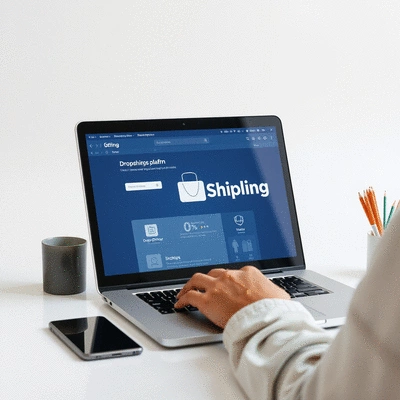
Understanding Dropshipping for Supplements in the UK
Have you ever thought about starting your own supplement brand but felt overwhelmed by the logistics? Dropshipping might be the solution you’re looking for! It’s an innovative business model that allows you to sell products without holding any inventory. Instead, when you sell a product, a third party handles the inventory and shipping, leaving you free to focus on marketing and growing your brand.
At Dropship Web Hosting, we specialize in health supplements and understand the ins-and-outs of this model. So, how does dropshipping work for supplement businesses? When a customer places an order on your website, you simply purchase the item from your supplier, who then ships it directly to the customer. This means you can offer a wide range of products without the burden of maintaining stock.
What is Dropshipping and How Does it Work for Supplement Businesses?
Let's break it down further! Here’s a simple overview of how dropshipping works in the supplement industry:
- You set up an online store and select the health supplements you want to sell.
- When a customer orders a product, you receive the payment directly.
- You then place the order with your supplier, who ships the product directly to your customer.
- You keep the difference between the wholesale price and the retail price as profit!
With our UK-made health supplements at Dropship Web Hosting, you can assure your customers of quality and reliability. Plus, you won’t have to worry about storage space or managing inventory!
Key Advantages of the Dropship Model for Health Entrepreneurs
The dropshipping model offers numerous benefits, especially for those entering the health and wellness sector. Here are some key advantages:
- Low Startup Costs: You don’t need to invest heavily in inventory upfront, making it easier to get started.
- Flexibility: You can quickly change your product offerings based on market trends without financial loss.
- Focus on Marketing: With logistics handled by your supplier, you can dedicate more time to promoting your brand.
- Scalability: As your business grows, you can easily expand your product line without the hassle of managing stock.
By leveraging the dropshipping model, you can launch your own supplement brand with minimal risk. At Dropship Web Hosting, we’re dedicated to providing the support and high-quality products you need to thrive in this competitive market!
Pro Tip
To maximize your dropshipping success in the supplement industry, consider leveraging social media influencers. By partnering with health and wellness influencers, you can tap into their established audiences, increasing your brand visibility and credibility. This strategy not only drives traffic to your online store but also helps in building trust among potential customers, making them more likely to purchase your products!
Private Label vs. Print-on-Demand Supplements: Making the Right Choice
When diving into the world of supplement sales, one of the first decisions you’ll face is whether to use private label or print-on-demand models. Both options offer unique advantages, but understanding their differences can help you choose the right path for your business. Private label supplements allow you to sell products under your own brand using established formulas, while print-on-demand lets you create custom products on a per-order basis.
This distinction is crucial for anyone looking to make a mark in the health and wellness industry. With my experience at Dropship Web Hosting, I’ve seen firsthand how these models can impact brand identity and profitability. Exploring marketing strategies for private label supplements online can further enhance your understanding of this model. Let’s explore what each model entails and the considerations that come with them.
Frequently Asked Questions (FAQs)
- What is dropshipping and how does it work for supplements?
- Dropshipping allows you to sell supplements without holding inventory. When a customer orders from your site, you forward the order to a third-party supplier who ships the product directly to the customer.
- What are the advantages of using a dropshipping model for supplements?
- The key advantages include low startup costs, flexibility in product offerings, focus on marketing, and scalability, as you don't have to manage inventory.
- What is the difference between private label and print-on-demand for supplements?
- Private label involves selling supplements under your own brand using established formulas. Print-on-demand allows you to create custom supplement labels or formulations only when an order is made.
- What factors should I consider when choosing between private label and print-on-demand?
- Consider costs, customization options, and production timelines. Private label offers more branding control, while print-on-demand reduces initial investment and allows for greater design flexibility.
- What are some popular print-on-demand services for supplements?
- Popular services include Printful and Printify, which offer a range of products and integrations with e-commerce platforms, enabling you to create unique products with custom labels and packaging.
Defining Private Label and Print-on-Demand Models
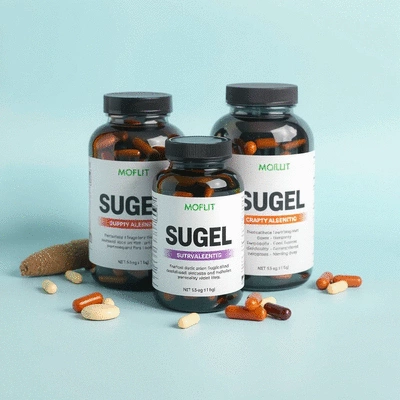
Private label supplements are products manufactured by one company and sold under another company’s brand. You have control over branding, packaging, and pricing, giving you a unique market position. On the other hand, print-on-demand allows you to create supplements with custom labels or formulations only when an order is made, which can minimize upfront investment.
- Private Label: Ready-made products, customizable branding.
- Print-on-Demand: Customization on a per-order basis, lower initial costs.
- Flexibility: Private label allows for larger batches, while print-on-demand supports smaller, niche markets.
Understanding these definitions helps clarify how each model aligns with your business goals. If you prefer a strong brand presence, private labeling might be the route to take. However, if you want to experiment with various products without a significant commitment, print-on-demand could serve you well.
Comparative Analysis: Costs, Customization, and Production Timelines
Let’s break down some key factors to consider when deciding between these two models. The costs, level of customization, and production timelines can greatly influence your operations and overall success. For instance, exploring how to dropship your own protein powders can illustrate the practical implications of these choices.
- Costs: Private label often requires a higher initial investment due to bulk purchasing, while print-on-demand can be more cost-effective at the start.
- Customization: Private label offers extensive branding opportunities, while print-on-demand allows for greater design flexibility.
- Production Timelines: Private label can be quicker for established products, whereas print-on-demand may have longer turnaround due to the custom nature.
Evaluating these aspects will help you align your choice with your budget and business strategy. With my experience in the supplement industry, I can say that understanding these dynamics is integral to finding your niche.
Exploring Print-on-Demand Services for Supplements: Options like Printful and Printify
Print-on-demand services, like Printful and Printify, have become increasingly popular among entrepreneurs looking to enter the supplement market. These platforms allow you to create unique products without holding inventory, which can be a game-changer for your business.
- Printful: Offers a wide range of products and integrates seamlessly with e-commerce platforms.
- Printify: Known for its diverse product catalog and competitive pricing.
- Customization: Both platforms provide options to create custom labels and packaging.
By leveraging these services, you can test the market with minimal risk. Furthermore, understanding vegan dropshipping options with UK web hosting can provide valuable insights into catering to specific dietary needs. I’ve always found that incorporating such flexible solutions into your business model allows for creativity while maintaining cost efficiency. Whether you’re launching a new brand or expanding your current offerings, print-on-demand can be an excellent way to innovate.
Recap of Key Points
Here is a quick recap of the important points discussed in the article:
- Dropshipping Basics: Sell supplements without holding inventory; suppliers handle shipping directly to customers.
- Low Startup Costs: Begin your supplement brand with minimal upfront investment and no need for inventory.
- Flexibility and Scalability: Easily adjust product offerings based on market trends and expand your line without logistical challenges.
- Private Label vs. Print-on-Demand: Choose based on your branding needs; private label offers brand control, while print-on-demand allows custom orders with lower risk.
- Using Print-on-Demand Services: Platforms like Printful and Printify enable you to create unique products without inventory constraints.